






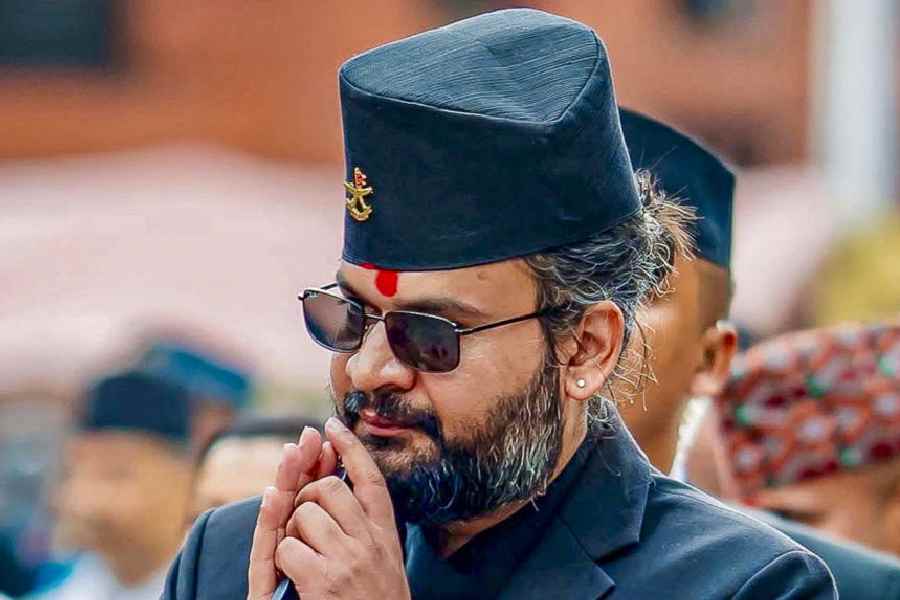
Nepal PM Balen Accepts Modi’s India Invitation: Anti-VIP Reforms & New Diplomatic Shift
Balendra Shah accepts Narendra Modi’s India invitation while launching anti-VIP reforms. Explore impacts on Nepal-India relations and governance.
🇳🇵 Introduction

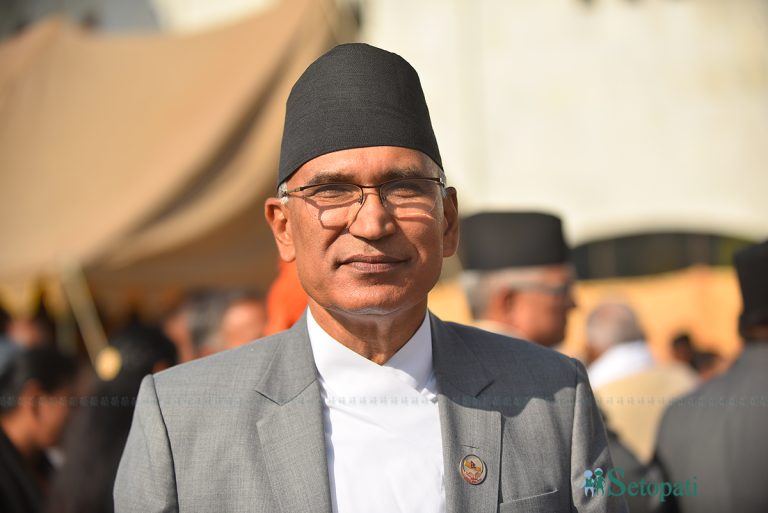
Nepal is witnessing a major political and diplomatic moment as Prime Minister Balendra Shah officially accepts an invitation from Indian Prime Minister Narendra Modi. This development is not only important for foreign relations but also comes at a time when Nepal is pushing forward with bold internal reforms, especially targeting the long-standing VIP culture.
This move highlights a dual strategy—strengthening international ties while reforming domestic governance.
🌏 Nepal–India Relations: Why This Visit Matters
Nepal and India share a unique relationship based on geography, culture, and economic cooperation. India is Nepal’s largest trading partner and a key player in its development projects.
Key focus areas of the visit:
- Trade and economic partnership
- Hydropower and energy cooperation
- Infrastructure and connectivity development
- Border management and security
The acceptance of this invitation signals a positive direction in Nepal–India relations, which can benefit both nations economically and politically.
🏛️ 100-Point Reform Plan: A Game Changer
Alongside this diplomatic move, PM Balendra Shah has unveiled a 100-point reform agenda aimed at transforming governance in Nepal.
Major Highlights:
- ❌ Ending VIP culture
- 🏥 Free healthcare for underprivileged citizens
- 🚍 Safer public transportation for women
- 🏫 Reform in the education sector
- ⚡ Fast and transparent public services
These reforms aim to create a fair and efficient system where citizens are prioritized over political privilege.
🚫 Anti-VIP Culture Drive in Nepal
The most talked-about reform is the anti-VIP culture campaign. For years, VIP privileges have created inequality in public services.
Proposed changes include:
- No special road clearances for VIP convoys
- Equal access in hospitals and government offices
- Reduction of political privilege
This step could significantly increase public trust and promote equality in Nepal’s governance system.
📊 Challenges in Implementation
While the reforms are promising, implementation remains a key challenge.
Possible obstacles:
- Political resistance
- Administrative delays
- Limited resources
- High public expectations
To succeed, the government will need strong leadership and consistent execution.
🌐 Impact on Nepal’s Future
This development can have long-term effects on Nepal:
- Stronger diplomatic ties with India
- Improved governance and transparency
- Increased foreign investment opportunities
- Better public service delivery
It reflects a new era of leadership focused on both global engagement and domestic improvement.
🔑 Conclusion
The decision by Balendra Shah to accept Narendra Modi’s invitation marks a crucial moment in Nepal’s political landscape. Combined with the ambitious anti-VIP reforms, this step shows a commitment to progress, equality, and stronger international relations.
As Nepal moves forward, the success of these initiatives will depend on how effectively they are implemented.