



Trump Says Iran Has “One More Chance” at Peace as Tehran Calls US Talks “Fake News”
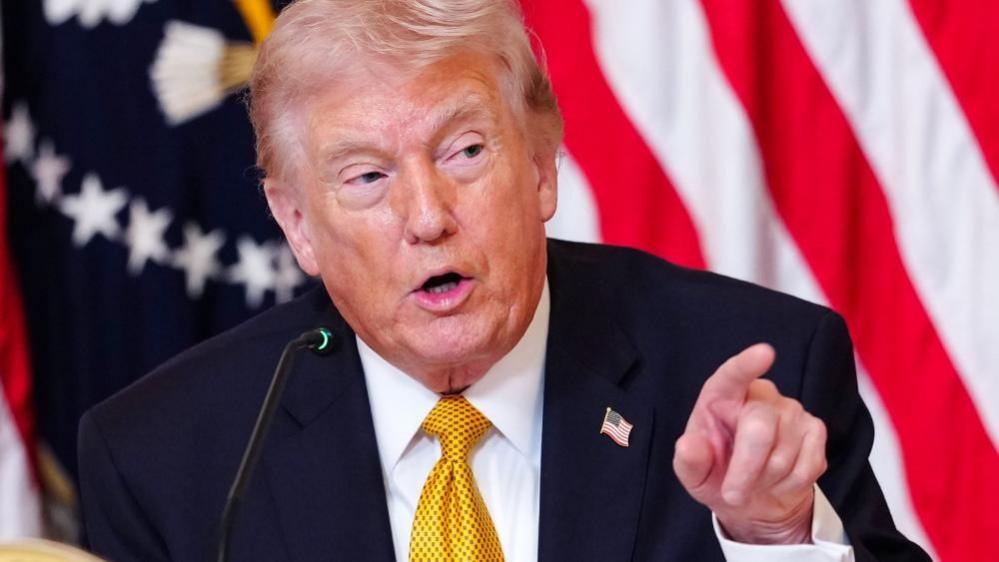
Tensions between the United States and Iran have once again escalated, with conflicting narratives emerging from both sides. While former U.S. President Donald Trump claims that Iran has “one more chance” to pursue peace, officials in Iran are dismissing reports of negotiations as “fake news.”
Rising Tensions and Ultimatums
In recent days, Trump has taken a hardline stance, warning that Iran must act quickly to avoid severe consequences. He reportedly issued a deadline tied to key geopolitical developments, including the strategic Strait of Hormuz—a critical passage for global oil transport.
Trump suggested that diplomatic progress was underway and even hinted at “productive conversations” with Iranian officials. However, he also made it clear that failure to reach an agreement could result in military action, particularly targeting Iran’s energy infrastructure.
Tehran’s Firm Denial
Iranian leaders quickly rejected Trump’s claims. Senior officials, including political and military figures, stated that no direct talks with the United States had taken place. Some went further, accusing Washington of spreading misinformation to manipulate global markets and political perception.
Iran’s leadership described the reports of negotiations as “fake news,” emphasizing that any suggestion of secret diplomacy was unfounded.
This denial highlights a deep mistrust between the two nations, with Iran signaling that it will not engage in negotiations under pressure or threats.
Behind-the-Scenes Diplomacy?
Despite public denials, reports indicate that indirect communication may still be happening through third-party countries such as Pakistan, Turkey, and Egypt. These intermediaries are believed to be attempting to de-escalate the conflict and bring both sides toward a diplomatic solution.
However, the absence of direct talks and the contradictory public statements suggest that any progress remains fragile and uncertain.
Military Escalation Continues
At the same time, the U.S. has reportedly positioned military assets in the region, signaling readiness for potential escalation if diplomatic efforts fail.
Global Impact
The standoff is not just a regional issue—it has global consequences. The uncertainty surrounding the Strait of Hormuz has already affected oil prices and international markets. Even rumors of peace talks have caused fluctuations, showing how sensitive the global economy is to developments in the Middle East.
Conclusion
The current situation reflects a dangerous mix of diplomacy, denial, and military posturing. While Trump insists that Iran still has a final opportunity to choose peace, Tehran’s outright rejection of any talks paints a very different picture.
With both sides standing firm and tensions continuing to rise, the path forward remains unclear. Whether through indirect diplomacy or increased confrontation, the coming days will be critical in determining whether the region moves toward peace—or deeper conflict.