

Iran–US Tensions Remain High as Peace Talks Face Fresh Challenges
June 1, 2026
Iran-US tensions, Iran news 2026 Tensions between Iran and the United States remain high despite ongoing diplomatic efforts aimed at preserving a fragile ceasefire. Recent military incidents, disagreements over Iran’s nuclear program, and disputes surrounding the strategic Strait of Hormuz have raised concerns about the possibility of renewed conflict in the Middle East.

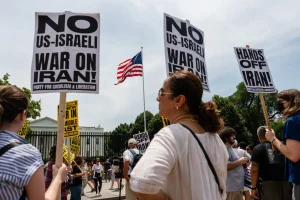
The latest developments come as both nations continue negotiations on a potential long-term peace agreement. However, major obstacles remain unresolved. The United States is demanding stronger guarantees that Iran will not develop nuclear weapons, while Iran is seeking sanctions relief and access to billions of dollars in frozen assets.
According to recent reports, President Donald Trump has sent revised peace terms to Iran with stricter conditions regarding nuclear materials and freedom of navigation through the Strait of Hormuz. Iranian officials have responded by expressing distrust toward Washington, stating that any agreement must protect Iran’s national interests and sovereignty.
Military tensions have also intensified in recent days. The U.S. military reported strikes on Iranian radar and drone command facilities, describing the actions as defensive measures following alleged Iranian attacks. Iran, meanwhile, has accused the United States of violating the ceasefire and escalating regional instability.
The Strait of Hormuz remains a key flashpoint. The narrow waterway is one of the world’s most important oil shipping routes, and any disruption can have a major impact on global energy markets. Oil prices have experienced volatility as investors monitor developments in the region and assess the risks of further military escalation.
, satellite imagery and intelligence reports suggest that Iran has been rapidly restoring underground missile facilities damaged during previous military operations. Analysts say the reconstruction effort demonstrates Iran’s determination to maintain its military capabilities despite international pressure.
Financial markets have reacted cautiously to the ongoing uncertainty. While optimism surrounding ceasefire extensions previously boosted global stock markets, investors remain wary of sudden changes in the security situation. Any collapse in negotiations could trigger fresh volatility across energy, commodity, and equity markets.
Diplomatic mediators from several countries continue to push for a lasting agreement. Both Washington and Tehran have signaled a willingness to remain engaged in talks, but the gap between their positions remains significant. Observers warn that even a minor military incident could jeopardize months of diplomatic progress.
As of June 1, 2026, the future of Iran–US relations remains uncertain. While neither side appears eager for a full-scale war, ongoing military confrontations and political disagreements continue to threaten regional stability. The coming weeks are expected to be critical as negotiators attempt to prevent another major crisis in the Middle East.
Cristiano Ronaldo must be popular now at the FIFA World Cup 2026